


Terrace and green roof insulation
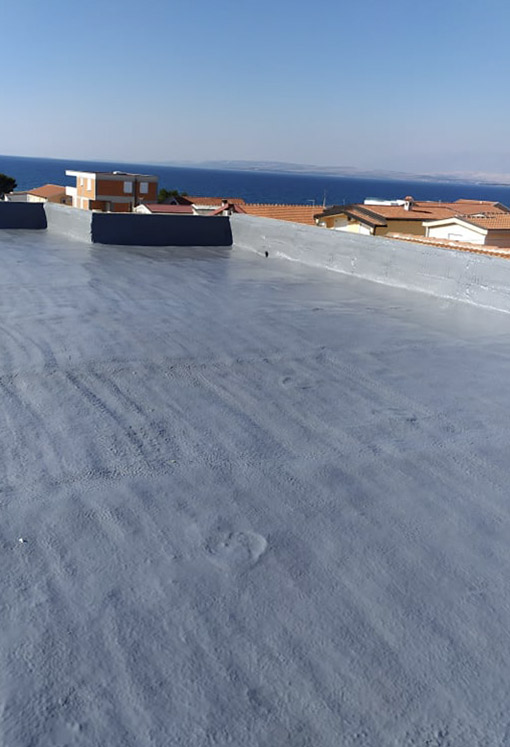
Spread foam is the best solution for terrace insulation, as terrace thermal insulation and terrace waterproofing can be solved in one step. Closed-cell polyurethane provides unbeatable green roof insulation.
Material:
Closed cell foam
Progress:
350 m2/day
Thickness:
3 to 20 cm
Density:
55 kg/m3


Terrace insulation
Polyurethane terrace insulation is the most effective thermal insulation available today, and it is also safe it also provides waterproofing in one step, without complicated layering. The big advantage of scattering technology is that it adheres to most construction materials with the power of instant adhesive, it can be used on bitumen, concrete or wooden closing slabs. Before insulating the balcony we don't have to dismantle, or we will transport old insulation. The insulation is free of gaps and gaps, there are no more soakings or thermal bridges.
Terrace waterproofing - covering
For external applications, the foam is covered with a UV protective layer made of polyurea. It is important to know that the Polyurea protective coating is not recommended for long-term physical stress, that is, if you actively use the terrace, a different coating must be used. After insulating the balcony, you can concrete and cover the foam yourself. If you choose a simpler covering, you can cover it with stone or wooden paving slabs, a gravel bed, or even build a green roof (see below).
If you want to insulate due to waterlogging and thermal insulation is not an issue, the thickness of the balcony insulation can be a minimum layer of 3 cm. Although this thin layer still provides poor thermal insulation, it effectively protects your building against water. If thermal insulation is also a consideration, we naturally recommend a thicker layer. A 10 cm thick closed-cell foam insulation corresponds to 20 cm of traditional thermal insulation (cotton).
Are there any open questions? Click here to view the Frequently Asked Questions!
What is a green roof? What are the benefits?
A zöldtető ugyanazt a funkciót látja el, mint egy hagyományos tető: védi az épületet az időjárási viszonyoktól, a csapadéktól és hőmérsékletváltozásoktól. Az esztétikum mellett funkcionális előnyökkel is jár, mint például a por és szennyeződések felszívódása a növények által, valamint a víz körforgása. A zöldtető rendkívül hatékony a csapadékvíz elfolyásának minimalizálására és a tetőfelületek hővisszatartására. A tetőre ültetett növények hozzájárulnak a megfelelő hangszigeteléséhez is.
Are all roofs suitable for this? Layers and design
Általában nincs ellenjavallat arra vonatkozóan, hogy egyes típusú tetők esetén kizárható lenne ez a megoldás, de elmondható, hogy a lapostetőket gyakrabban borítják növényekkel. A zöldtető rétegei: növényzet, föld, szűrő- és vízelvezető rétegek, gyökérvédelem, vízszigetelés, párazáró és teherbíró purhab szigetelő réteg, födém.
Why SPF?
Green roof insulation should be light and fit the structure as well as possible. Since the spray foam is flexible, it easily fills even the smallest gaps. Polyurethane can be perfectly combined with different types of materials and is easy to use. When applying the spray foam, the surface of the roof must be dry. The insulation is cost-effective, quick to install, and long-lasting. Our moisture-retaining insulation on green roofs is at least 7 cm thick.

Rólunk mondták
Other applications
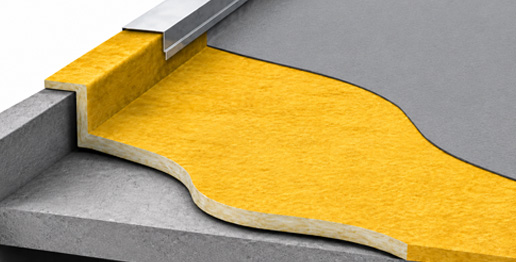
Flat roof
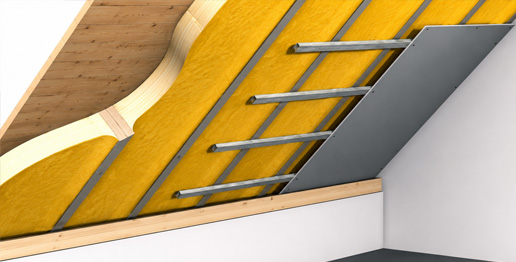
Szarufaköz
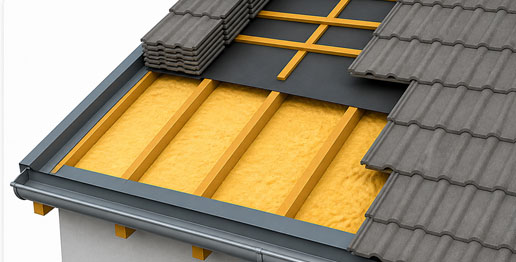
Rooftop
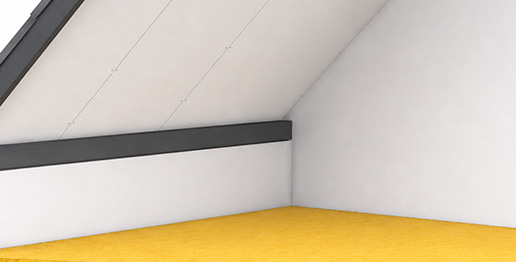
Attic floor
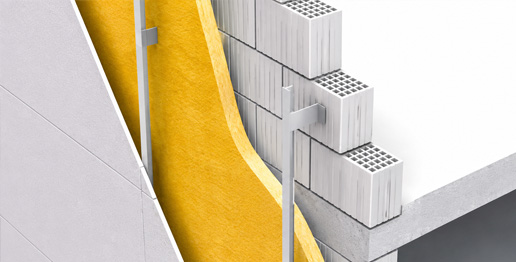
Side wall
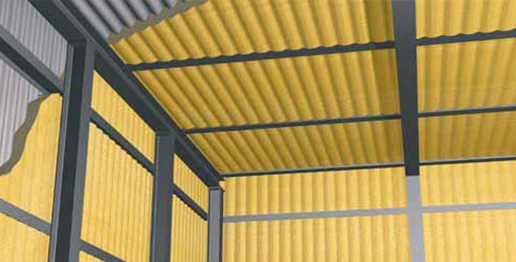
Industrial
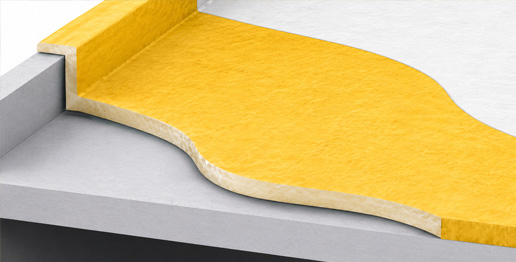
Slab insulation
Mobilgarázs
Ceiling
Corrugated slate
Trapezoidal plate
Container
Request an offer!
Euro-Ker-Szig Kft.
4251 Hajdúsámson
Debreceni út 24
