


Attic floor insulation
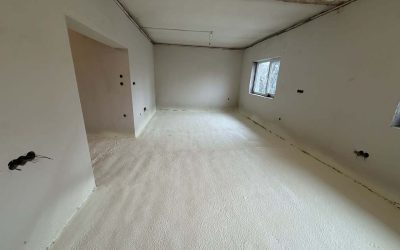
Closed-cell foam is an excellent solution for attic insulation. The walkable slab insulation is completely homogeneous and gap-free.
Material:
Closed/open cell
Progress:
300 m2/day
Thickness:
5+ cm
Density:
55 kg/m3
Why is attic insulation important?
A significant part of the heat loss of buildings occurs through the ceiling, therefore, the design of appropriate attic ceiling insulation is particularly important. If the attic is not built-in and its utilization is not planned in the future, insulating the attic ceiling instead of insulating the roof plane is a more efficient and economical solution.
Why insulate with foam?
A fast, clean and durable solution that provides thermal, water and sound insulation in one step. The sprayed polyurethane foam covers the surface without gaps, eliminating thermal bridges and preventing the escape of warm air. The foam can be easily applied to complex surfaces where other insulation materials are difficult to work with – for example, on uneven floors, next to curved walls or around mechanical pipes.
Breathable yet waterproof construction
The special feature of PU foam is that it is both water-tight and vapor-diffusive. This means that it does not let water in, but at the same time allows vapor to move freely. Thanks to this, the building remains “breathable”, thus preventing the accumulation of moisture, mold and mildew.
Walkable, loadable
Most traditional attic insulation materials are not load-bearing, requiring additional covering or flooring to make the attic walkable. Closed-cell foam, on the other hand, creates a solid, load-bearing surface that can be walked on and loaded.


Closed-cell or open-cell foam?
In the case of attic insulation, closed-cell foam is most often used, as it is walkable, has a high load capacity, and provides excellent thermal insulation. Open-cell foam is less resistant to moisture and is not waterproof. Its use is recommended in places where increased load capacity is not required. If the attic is intended for storage or regular use, the closed-cell version is definitely the ideal choice.
The construction process
Before starting work, we thoroughly clean the receiving surface so that the foam adheres properly. During the installation, we cover all windows, doors, pipes and sensitive surfaces to protect them from any foam particles that may get on them. The optimal thickness that we recommend for attic insulation in residential buildings is 10 cm. This corresponds in thermal insulation value - based on the lambda value - to more than 20 cm of traditional cotton or EPS insulation.
Durable and long-lasting solution
Foam attic insulation does not require the removal of the old insulation layer, so the work is fast, clean and cost-effective. The material itself is extremely durable, and according to expert estimates, it retains its thermal insulation capacity for up to 80 years. The finished insulation is seamless, load-bearing, and can even be cleaned, for example, with a high-pressure washer.
If the attic will be inhabited later, you can insulate the roof plane instead of the ceiling. For more information, click here:
Purhab attic insulation references
Mivel szigeteljem a padlót?
Milyen szigetelés kell beton alá? Mivel szigeteljem a padlót utólag? Mivel szigeteljem az...

Szigetelés Érd
Padlásfödém szigetelés Érden PUR habbal – hatékony megoldás egész évben Érden és környékén egyre...

Purhab Slovakia
We insulated the house of the year in Komárom! In our "purhab Slovakia" project, a modern style house, built 12 years ago...
Rólunk mondták

Why with us?
With the largest capacity in the country, 6 trucks and 12 specialists, we work continuously throughout the country. We come to work with the most modern, new tools.
Qualified for our insulations, we use premium quality raw materials. We buy in bulk from our suppliers, so we work at a more favorable price than our competitors.
Insulation is our passion. We don't know the word "impossible". Unique, problematic projects are also realized with us. We have been insulating for more than 12 years, you can take the guarantee on our work seriously.
Find us, let's talk about it! If you are interested, we will assess the property to be insulated free of charge.
Other applications
Flat roof
Szarufaköz
Rooftop
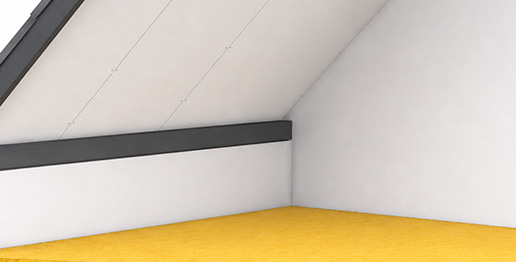
Attic floor
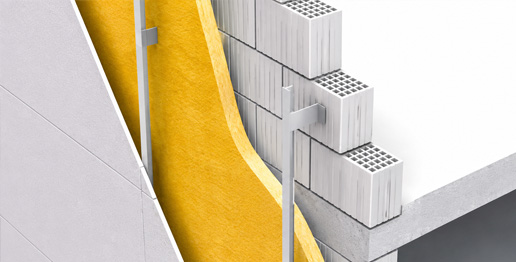
Side wall
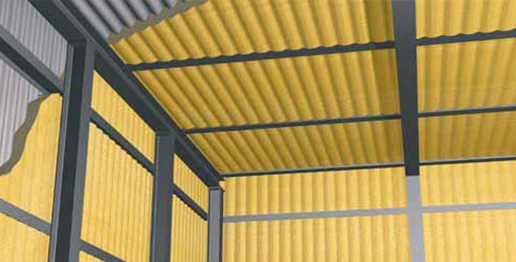
Industrial
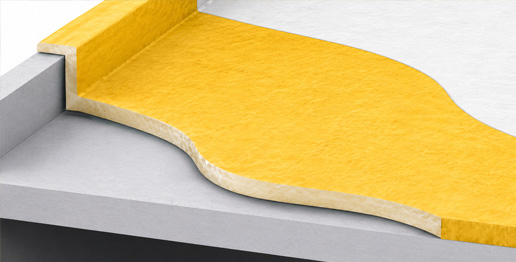
Slab insulation
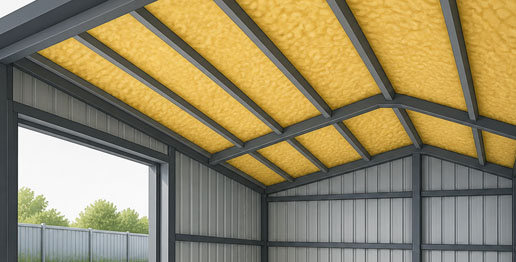
Mobilgarázs
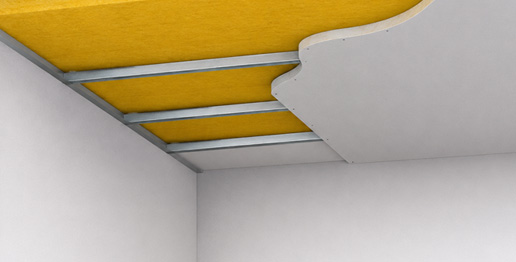
Ceiling
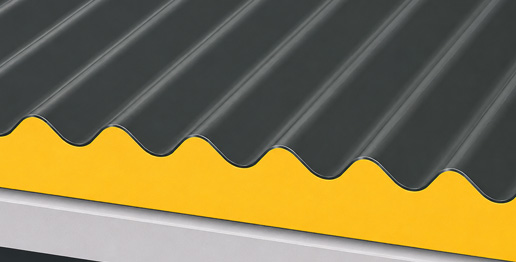
Corrugated slate
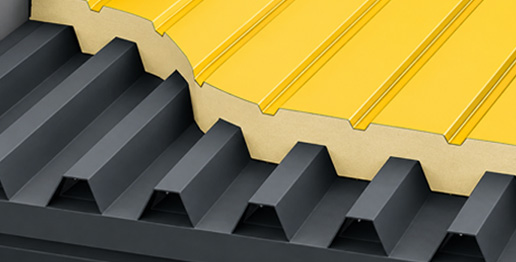
Trapezoidal plate
Container
Request an offer!
Euro-Ker-Szig Kft.
4251 Hajdúsámson
Debreceni út 24
