


Attic insulation
The most effective thermal insulation available between the rafters. Half the thickness of the cotton wool is enough! The gap-free, airtight layer of expanded foam is unbeatable in the attic.
Material:
Closed/open cell
Progress:
300 m2/day
Thickness:
5-20 cm
Density:
15 or 35 kg/m3
Attic insulation in a modern way – with expanded foam
If the attic is yet to be built on, or the interior covering (e.g. drywall, paneling) has not yet been installed, now is the time to effectively attic insulation! The modern closed-cell purfoam insulation attic When applied from the inside, we obtain thermal, water and air tightness at the same time.
Gap-free and joint-free attic insulation
Traditional cotton insulation can easily slip, collapse, and become moldy over the years due to moisture or humidity. In contrast, closed-cell foam adheres seamlessly and continuously to the roof surface. It does not slip, does not move, completely airtight forms a layer. The foam goes exactly where it needs to go – and stays there.
Best thermal insulation
Based on the lambda value, it can be said that PU foam is the best thermal insulation material available today. PU foam can achieve the same thermal insulation capacity with up to half the thickness of traditional insulation materials. This is especially important in attic spaces, where the height of the rafters is limited - usually 15 cm. In this thin space, it is almost impossible to install strong insulation that meets today's standards using traditional materials.
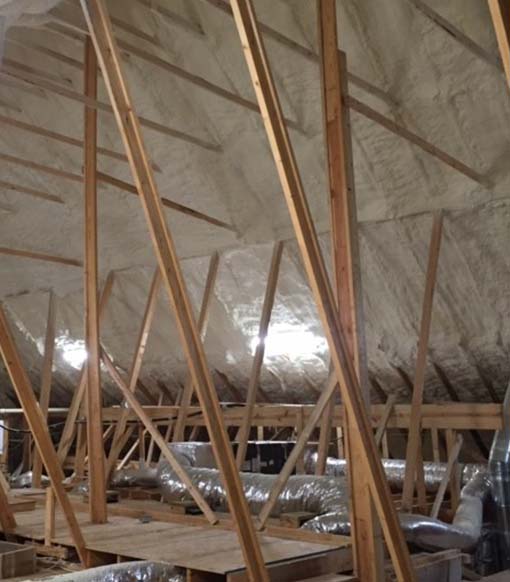


We insulate any surface
Whether it's roofing felt, OSB board, drywall, or even the tile itself, the foam sticks to everything. Most roofing felts hold the foam well, and the rigid, solid material fits perfectly between the rafters.
Thermal and waterproofing in one step
THE attic insulation During the process, the foam not only insulates, but also excellent waterproof layer It also protects your home from leaks, powder snow, and tile defects.
One layer, double protection.
If the attic is already inhabited, we can also insulate from the outside. For more information, click here:
PROBLEMS WITH WOOL
❌ Weaker thermal insulation
Cotton cannot compete with modern insulation materials.
❌ No waterproofing ability
It does not provide protection against moisture or moisture.
❌ Not seamless
It can slip or collapse due to external influences. Gaps can form through which heat escapes.
❌ Limited options due to rafters
The proper thickness barely fits between 15 cm rafters.
❌ Difficult to install
Board materials are heavy and require a lot of cutting and fitting.
❌ A favorite hiding place for insects and rodents
It does not pose a barrier to uninvited residents.
❌ It gets hot in the summer.
It does not protect against attic heat.
❌ Fragile, soft material
It is easily broken, not a permanent solution.
ADVANTAGES OF ISOPUR
✅ Outstanding thermal insulation
The most efficient solution for attics available today. Lambda value: 0.022
✅ Timeless, waterproof
It is not damaged by moisture or moisture – it does not require a vapor barrier.
✅ Seamless, airtight
No gaps, no air pockets. Stable, doesn't move. The foam stays where it's put - forever.
✅ Thinner layer, same performance
Half that thickness is enough for the desired thermal insulation.
✅ Does not attract rodents
Mice and rats don't move into the purhab.
✅ Protects against summer heat too
It does not let in the heat of the sun's rays - a cool attic even in summer.
✅ Strengthens the roof structure
The solid, rigid layer also makes the roof more statically stable.
Attic references
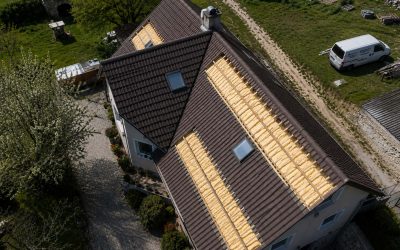
Cserepes tető szigetelés Móron – utólagos tetőszigetelés a tetőtér megbontása nélkül
A több évtizede épült családi házaknál egyre gyakrabban találkozunk azzal, hogy az eredeti tetőszigetelés mára már nem látja el megfelelően a feladatát. A régi ásvány- vagy üveggyapot összeeshet, lecsúszhat a szarufák között, réseket hagyhat maga után, és sok esetben...
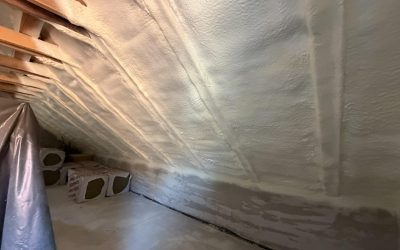
Sopron insulation
Sopron purhab/ Sopron szigetelés – 12 cm zártcellás tetőtér szigetelés egy családi házban Nemrég Sopronban készítettünk el egy családi ház tetőterének hőszigetelését, ahol a tulajdonos hosszú távú, karbantartásmentes megoldást keresett. A Sopron szigetelés projektben...

Mivel lehet leszigetelni a padlást belülről?
Tető és oldalfal belső oldali szigetelése könnyűszerkezetes nyaralóban – zártcellás PUR habbal Egy könnyűszerkezetes nyaralónál gyakori probléma a beázás nyomai, a nyári felmelegedés és a nehézkes fűthetőség. A vékony falak és a tetőszerkezet sokszor nem tartalmaznak...
Other applications
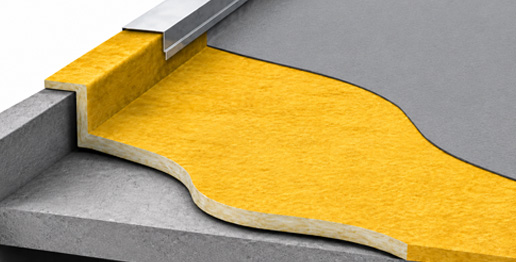
Flat roof
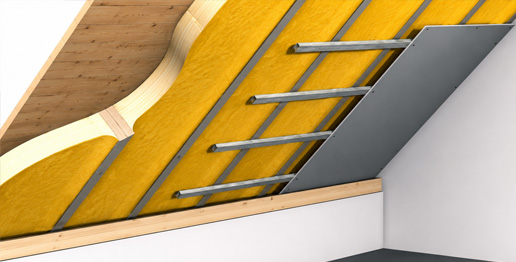
Szarufaköz
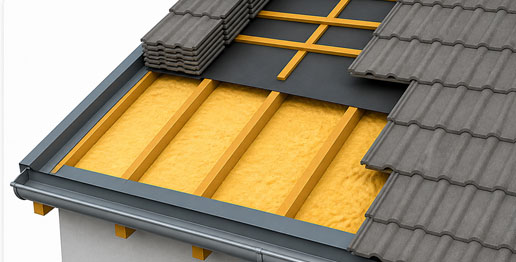
Rooftop
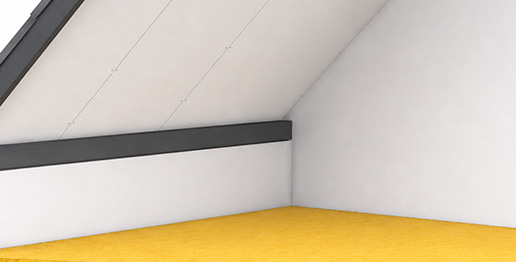
Attic floor
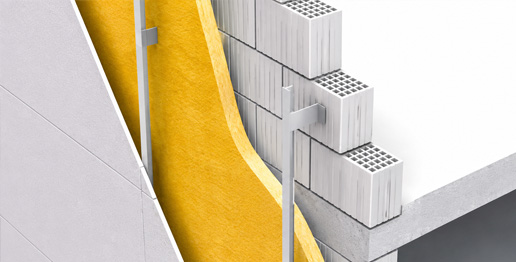
Side wall
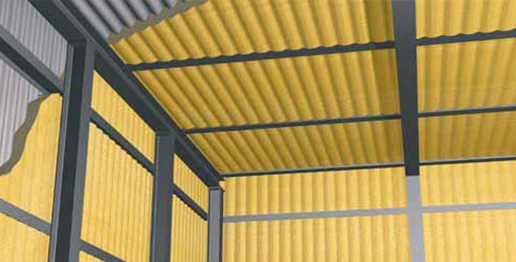
Industrial
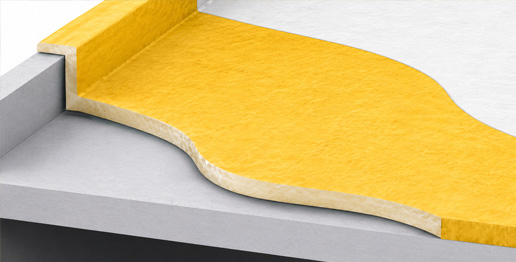
Slab insulation
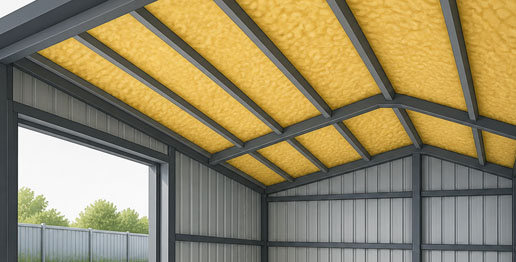
Mobilgarázs
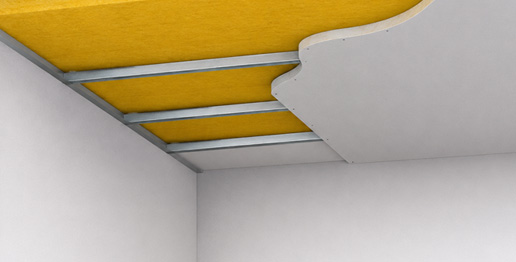
Ceiling
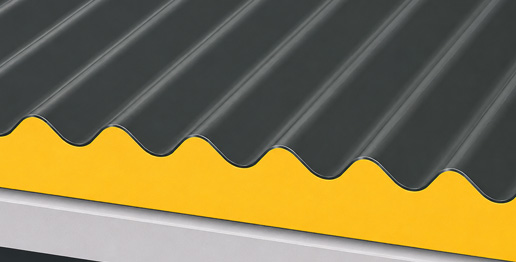
Corrugated slate
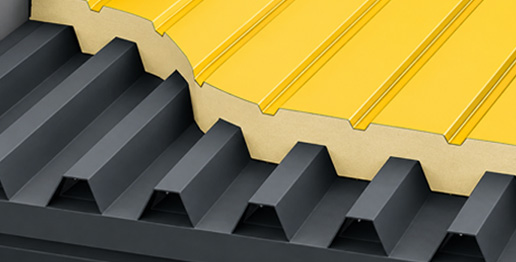
Trapezoidal plate
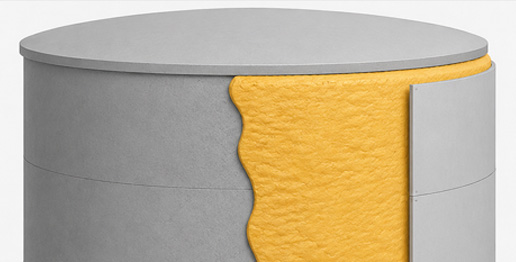
Container
Request an offer!
Euro-Ker-Szig Kft.
4251 Hajdúsámson
Debreceni út 24
